The Teen Who “Doesn’t Care” Probably Cares Too Much
Exploring emotional avoidance, burnout, and self-protection in neurodivergent teens
“Whatever.”
“Don’t care.”
“Fine.”
If you’ve heard these words from your teenager more times than you’ve heard “Good morning”, you’re not alone. For many parents, it feels like their teen has checked out, put up a wall, and left them on the outside, knocking.
It’s tempting to read those shrugs as apathy, laziness, or defiance. But here’s the twist: for many neurodivergent teens, “I don’t care” is code for “I care so much I can’t bear to show it.”
What looks like emotional detachment often hides burnout, anxiety, or sheer overwhelm. It’s not that your teen doesn’t care — it’s that they can’t care out loud right now.
Why “I Don’t Care” Often Means “I Can’t”
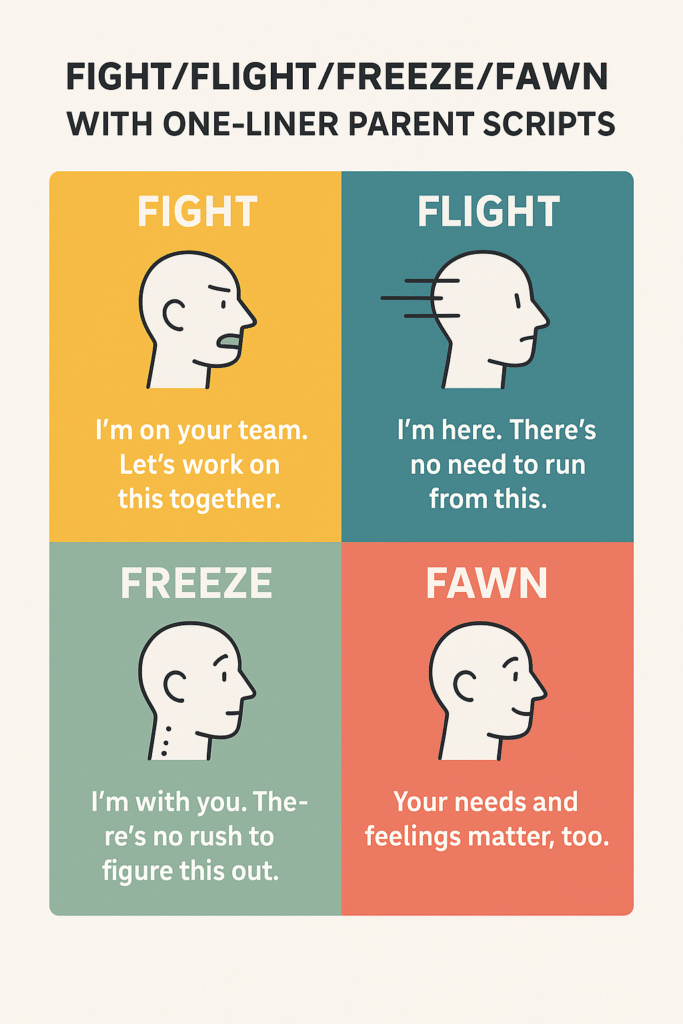
The human nervous system is designed to protect us. When the stress dial goes up too high, the body has three main settings: fight, flight, or freeze. Teens who say “I don’t care” are often in that third category — freeze mode.
It’s not emotional emptiness. It’s emotional overload.
Imagine trying to talk while holding back a tidal wave. Easier to say nothing.
For ADHD and autistic teens, emotional dysregulation is already a daily reality. Their brains often struggle to filter, prioritise, and switch tasks smoothly. So when school, friendships, hormones, and expectations pile up, “I don’t care” becomes a survival tactic.

A Quick Parent Decoder: Apathy vs Burnout vs Anxiety vs Depression
Not every “I don’t care” comes from the same place, and it helps to know the difference. Sometimes it’s genuine apathy, where your teen really does feel flat and unmotivated across most areas of life, not just at home or school. More often it’s burnout — they were trying hard, masking, and pushing through, and now they’ve hit a wall, looking withdrawn, exhausted, or snappy. In other cases, it might be emotionally based school avoidance (EBSA): meltdowns and physical complaints like stomach aches or headaches appear before school, while weekends bring a sudden improvement. And then there’s depression, which isn’t the same as burnout or avoidance. Depression shows up as persistent sadness and loss of joy in the things your teen used to love, often with changes in sleep or appetite. The trick is to notice the pattern: is this a temporary shutdown, or is it a deeper, more constant low mood that needs professional support?
Humour moment: Think of it like Wi-Fi. Sometimes the signal is weak (apathy), sometimes the system overheated (burnout), sometimes the router won’t connect to school (EBSA), and sometimes the whole service provider is down (depression).
Why Neurodivergent Teens Are Especially Prone to This
Masking fatigue: Pretending to be “fine” all day drains batteries faster than a phone on 5% with TikTok running.
Rejection Sensitive Dysphoria (RSD): When every eye-roll or critique feels like rejection, “not caring” is safer armour.
Executive dysfunction overload: If you feel destined to fail, avoiding is easier than trying.
Sensory overwhelm: Too much noise, light, or social drama? Shut down mode engaged.
Your teen isn’t rebelling. They’re rebooting.
What Parents Usually Do (And Why It Backfires)
When faced with a shrug, many of us launch the interrogation:
But here’s the kicker: those tactics often make shutdowns worse. Pressure + overwhelm = deeper retreat.
Imagine someone yelling “Just relax!” at you in a dentist chair. That’s what these demands feel like to a flooded teen.
What Actually Helps
Co-regulation first: Lower your voice, slow your pace. Sit nearby without pushing.
Capacity meter: Create a “traffic light” code for energy: green = good to go, amber = fragile, red = done.
Micro-asks: Instead of “Do all your homework,” try “Open the book for two minutes.” Success builds momentum.
Decompression time: Give them a no-demands buffer after school.
Praise that lands: Be specific: “I saw how you calmed yourself down before answering — that took effort.”
Parent scripts to steal:
“Looks like today took a lot out of you. Want to reset first?”
“I can see you care — maybe just not right now.”
“Let’s just start with step one and leave the rest.”
School Struggles: EBSA and Burnout
“I don’t care about school” is often shorthand for “School is too much.”
EBSA (Emotionally Based School Avoidance) is becoming more widely recognised in the UK. It’s not willful refusal but nervous system overload. Kids who melt down before school and revive on weekends aren’t playing games — they’re running out of capacity.
What helps:
Talk to the school about phased returns.
Ask for flexible starts or safe spaces.
Use the language of avoidance instead of refusal.
Mini resource: A sample email line —
“My child isn’t refusing school; they’re avoiding because of high anxiety and exhaustion. Can we discuss phased support to help them return?”
Read more: “I’m Just Stupid”: How School Feedback Impacts a Neurodivergent Teen’s Self-Perception and Future Success
Red Flags vs Normal Teen Behaviour
Normal teen: occasional “don’t care,” eye rolls, withdrawal after social overload.
Red flag: persistent flatness, withdrawal from once-loved activities, talk of hopelessness, or self-harm.
If in doubt, check in with a professional. Early support is always better than late crisis management.
A Note for Teens Themselves
If you’re the teen reading this (yes, some of you lurk on parent articles), here’s the truth:
You’re not broken.
Saying “I don’t care” doesn’t mean you don’t — it means you’re protecting yourself.
Your nervous system is just overloaded.
Asking for softer landings isn’t weakness. It’s wisdom.
Closing + Hopeful Reframe
So next time your teen shrugs and mutters “I don’t care,” don’t panic. Translate it as: “I’m at capacity right now.”
It’s not laziness. It’s not defiance. It’s not apathy.
It’s a nervous system waving a tiny white flag.
And with patience, softer expectations, and the right supports, that flag goes down. Your teen will re-engage — not because you forced them, but because you gave them space to show they actually care, deeply.
Humour send-off: Teens don’t come with a manual, but at least now you’ve got the translation guide for “whatever.