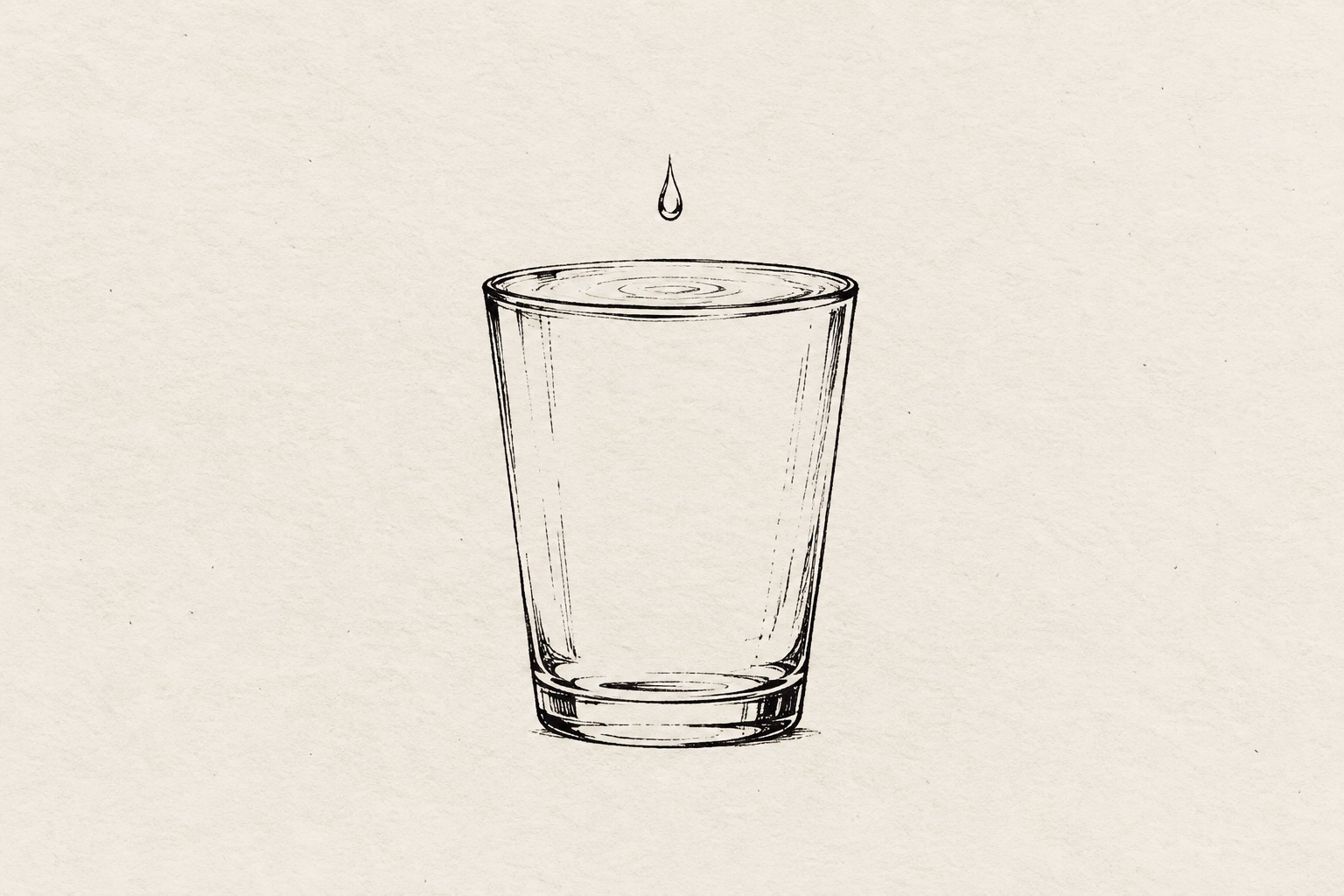
You’re halfway through a task, juggling five tabs, and your laptop freezes.
The printer jams. Someone says “Relax, it’s not a big deal.”
And there it is – the flash. That sudden surge that feels like anger but also like frustration, panic, and exhaustion, all in one.
People often link ADHD and anger as if it’s a defining trait – “short-tempered,” “explosive,” “difficult.” But if you live inside an ADHD brain, you know it’s not that simple.
It’s not about rage or bad behaviour. It’s about emotional overload, miscommunication, and a nervous system that feels everything on full volume.
So, what’s really going on beneath that surface reaction – and how can we manage it with understanding instead of shame?
The Stigma: Why ADHD and Anger Are So Often Misunderstood
Our culture prizes composure. The people who keep their cool in meetings, smile politely in conflict, and “don’t take things personally” are celebrated.
But what happens when your brain is wired to feel everything – joy, frustration, excitement, and disappointment – with surround-sound intensity?
That’s where the stigma begins. When someone with ADHD reacts strongly, society sees anger instead of emotion. Teachers call it “disruptive.” Colleagues say “unprofessional.” Partners might say “you overreact.”
Yet what looks like a lack of control is usually emotional dysregulation – a neurobiological difference, not a character flaw or bad behavior.
And perception varies by gender and culture.
A man who raises his voice might be “assertive.” A woman doing the same might be “hysterical.” A neurodivergent person? “Unstable.”
It’s a lose-lose game when norms were never designed with neurodiversity in mind.
Myth vs Truth
| Myth | Reality |
|---|---|
| People with ADHD have anger problems. | They experience emotions more intensely and need longer to recover. |
| They’re volatile or unpredictable. | Their brains react faster and harder to stress or frustration. |
| They just need more self-control. | They already try incredibly hard—often too hard—to contain their emotions |
So no, it’s not about “managing anger.” It’s about understanding emotion.
Inside the ADHD Brain: Why the Fuse Feels So Short
Let’s look at the science behind that short fuse.
People with ADHD have naturally lower dopamine levels – the neurotransmitter that helps with motivation, focus, and reward.
When dopamine is low, frustration tolerance drops. A small setback feels monumental because the brain is already under-rewarded and overstimulated.
Meanwhile, the amygdala, the brain’s emotional alarm system, activates quickly and powerfully.
The prefrontal cortex, which regulates impulses and reasoning, is often slower to kick in. The result? You feel the emotion before you can think it through.
Add poor interoception (not recognising early body signs of stress) and executive fatigue (decision overload, multitasking, interruptions), and you’ve got a nervous system with no buffer left.
So when the printer jams or someone interrupts your focus, it’s not a temper problem – it’s a neurological traffic jam.
Your brain’s brakes work just fine… until the tank runs dry.
The Lived Experience: What ADHD Anger Feels Like from the Inside
Imagine you’ve spent the entire day suppressing distractions, masking your forgetfulness, and trying to “act normal.”
Then someone dismisses your idea, or you can’t find your phone, and suddenly – boom.
From the inside, ADHD anger often feels like this:
Frustration when the brain won’t co-operate.
Overwhelm from too many demands.
Rejection sensitivity when feedback feels like failure.
Injustice when rules seem arbitrary or unfair.
It’s not cold or controlled; it’s hot, fast, and confusing.
You might yell, cry, storm off – or say nothing and implode later.
Then comes the post-anger guilt loop: shame, apology, exhaustion, more masking.
You promise yourself you’ll “do better next time,” without realising your nervous system never had a chance to regulate in the first place.
One client once told me, “It’s like my emotions are on loudspeaker and everyone else’s are on whisper mode.”
Exactly that.
Is It Really Anger – or Something Else Entirely?
Here’s a secret: what we call “anger” is often a disguise.
It can be:
Overstimulation from noise, lights, or interruptions.
Fear of losing control.
Shame from repeated failures.
Grief for wasted time or misunderstanding.
Injustice sensitivity – that deep, fiery response when something feels unfair.
When an ADHD brain runs out of bandwidth, it doesn’t whisper politely. It roars.
But that roar is a distress signal, not a threat.
Anger isn’t the enemy – it’s information.
It says: “Something’s off. A boundary’s been crossed. A need isn’t being met.”
Learning to listen to it, instead of fearing it, is emotional maturity – not weakness.
The Social Mirror: How Society Misreads ADHD Emotions
Society still measures emotional control through a neurotypical lens.
A calm tone equals competence. A raised voice equals danger.
But for neurodivergent people, emotional intensity is authenticity.
What others call “too much” is often exactly what we feel – without the automatic filters most people have.
Teachers, managers, and even therapists sometimes mistake dysregulation for defiance.
A child storming out of class might be escaping overload, not avoiding work.
An adult snapping in a meeting might be expressing desperation, not hostility.
We talk about inclusion, yet emotional expression is one of the last taboos.
You can be different, but only quietly.
True inclusion recognises that emotion regulation capacity varies.
It’s not about control – it’s about understanding thresholds.
The Cost of Mislabeling: Shame, Masking, and Burnout
When you’re constantly told you “overreact,” you start to believe it.
You suppress feelings, apologise excessively, and try to pre-empt everyone’s comfort but your own.
This emotional masking works – until it doesn’t.
Suppressed emotions become anxiety, depression, or physical tension. You look calm but feel like a shaken bottle of soda.
“You’re so patient,” they say. They don’t see your jaw clenching or your nervous system screaming for a break.
Over time, chronic self-suppression leads to burnout.
It’s not just mental exhaustion – it’s emotional depletion.
Because pretending you’re fine is the hardest job in the world.
The truth is, we don’t need “anger management.”
We need self-understanding, acceptance, and better environments that support regulation instead of punishing emotion.
Managing ADHD Anger: What Actually Helps
You can’t logic your way out of emotional flooding.
Regulation starts with the body, not the mind.
🧘♀️ 1. Body-First Regulation
Cold water on your wrists or face resets the nervous system.
Walk, stretch, or move – physical action burns off adrenaline.
Use sensory aids: weighted blankets, calming fidgets, noise-cancelling headphones.
When your body calms, your brain follows. Think of it as giving your nervous system an “off switch.”
🗣️ 2. Name It to Tame It
Neuroscience shows that labelling emotions reduces activity in the amygdala – the part of the brain responsible for emotional alarm.
Try saying, “I’m overwhelmed” instead of “I’m angry.”
Or, “I need a break” instead of “I’m fine.”
Simple, honest language helps you stay connected to yourself instead of spiralling into shame.
💬 3. Communication Scripts
When anger rises, words often disappear.
Having pre-planned scripts helps you express needs without escalation.
Examples:
“I need five minutes to reset before I respond.”
“I’m not angry at you – I’m overstimulated.”
“I need to pause this conversation so I can come back calmly.”
Partners, parents, and colleagues can learn these signals too.
It’s a form of shared regulation, not avoidance.
🕰️ 4. Preventative Emotional Hygiene
Prevention beats crisis management.
Protect transition time between tasks.
Eat before you crash.
Build micro-breaks into your day—five minutes of nothing counts.
Reduce background noise when focusing.
Most ADHD “anger moments” happen when basic needs are ignored for too long.
A rested, fed, hydrated brain is a calmer brain.
When to Seek Professional Help
If emotional outbursts start damaging relationships or leaving you drained, it’s not weakness – it’s feedback.
That’s the point to bring in support.
Could ADHD Coaching Help?
Reading about ADHD can be incredibly validating. Understanding why you react the way you do is often the first step.
But insight alone doesn’t always change what happens in the moment.
Many of the adults I work with already know why they become overwhelmed or angry. They’ve read the books, listened to podcasts, and spent years trying to “manage themselves better.” What they’re often missing is a way to translate that understanding into everyday life.
My coaching focuses on helping people understand their own patterns rather than simply learning generic ADHD strategies.
Together we explore questions such as:
- What happens in your nervous system just before you snap?
- Which situations repeatedly push you beyond your capacity?
- Why do the same conflicts keep appearing?
- Which supports actually work for your brain rather than someone else’s?
From there we build practical strategies that fit your life, your work, your relationships and your way of thinking.
Many clients find that as they better understand their emotional patterns, their anger becomes less frequent, less intense, and much easier to recover from – not because they’ve learned to suppress it, but because they’re no longer constantly operating beyond their limits.
If you’ve recognised yourself throughout this article and feel ready to move beyond understanding into lasting change, you can learn more about my one-to-one ADHD coaching here.
The Empowered Reframe: Anger as a Messenger, Not a Monster
Here’s the part that changes everything:
Anger isn’t the villain. It’s the messenger.
It tells you something vital:
“You’re overstimulated.”
“You’re under-supported.”
“Your boundaries need adjusting.”
When you stop seeing anger as failure and start treating it as data, you gain power over it.
You can pause, decode, and respond instead of explode.
As someone who’s lived it, coached it, and parented it, I know this:
Behind every ADHD outburst is a nervous system trying to protect you.
And when you listen to that message with compassion instead of shame, healing begins.
So next time someone says, “You have anger issues,” tell them:
“No, I have passion, sensitivity, and an overactive amygdala. But thank you for your concern.”
Because what looks like anger is often just intensity misunderstood – and when managed with empathy and insight, it’s not destructive.
It’s honest energy, waiting to be redirected.
Key Takeaways
ADHD anger is rarely about rage – it’s about overwhelm, frustration, and unmet needs.
Emotional dysregulation is a neurological feature, not a moral failing.
Society misinterprets intensity as instability, especially in women and neurodivergent people.
Regulation starts in the body, not the brain.
Anger is information. Listen to it, decode it, and respond with compassion.